
FEED THE COUGAR ORIGINAL · Football
Bear Bachmeier’s Efficiency Check Through Three Games
Bear Bachmeier has produced the kind of early-season efficiency BYU needed. The next step is measuring how much of that efficiency travels when the game becomes less forgiving.
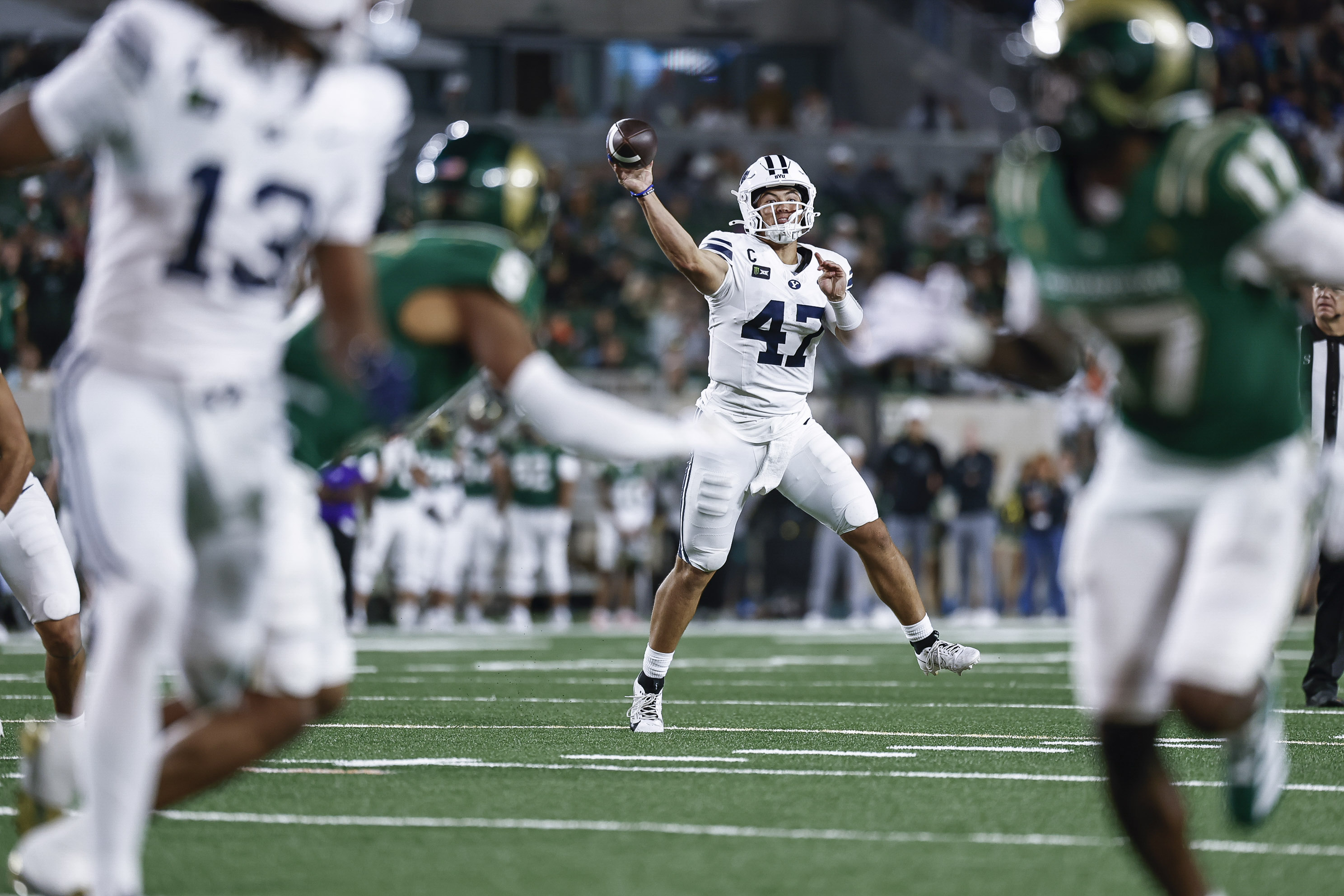
Quarterback evaluation is often reduced to the cleanest number on the screen: yards, touchdowns or the final passer rating. Bear Bachmeier’s first three games deserve a wider frame. The BYU quarterback has 642 passing yards and a listed pass-efficiency mark of 187 on the current FTC player feed. Those figures tell us that he has been productive. They do not yet tell us how he will handle a defense that wins first down, changes the picture after the snap and forces him to live in the margins. Efficiency is not a trophy; it is a test that moves every week.
The most encouraging part of Bachmeier’s start is the relationship between his passing and BYU’s broader offensive profile. The team is averaging 31.4 points per game, 6.2 yards per play and converting 42.8 percent of third downs. A quarterback does not own every part of those numbers, but he is usually connected to all of them. Third-down conversion suggests the offense is reaching manageable situations. Yards per play suggests the explosive answer is available. Points per game suggests the possession is ending with enough regularity to matter.
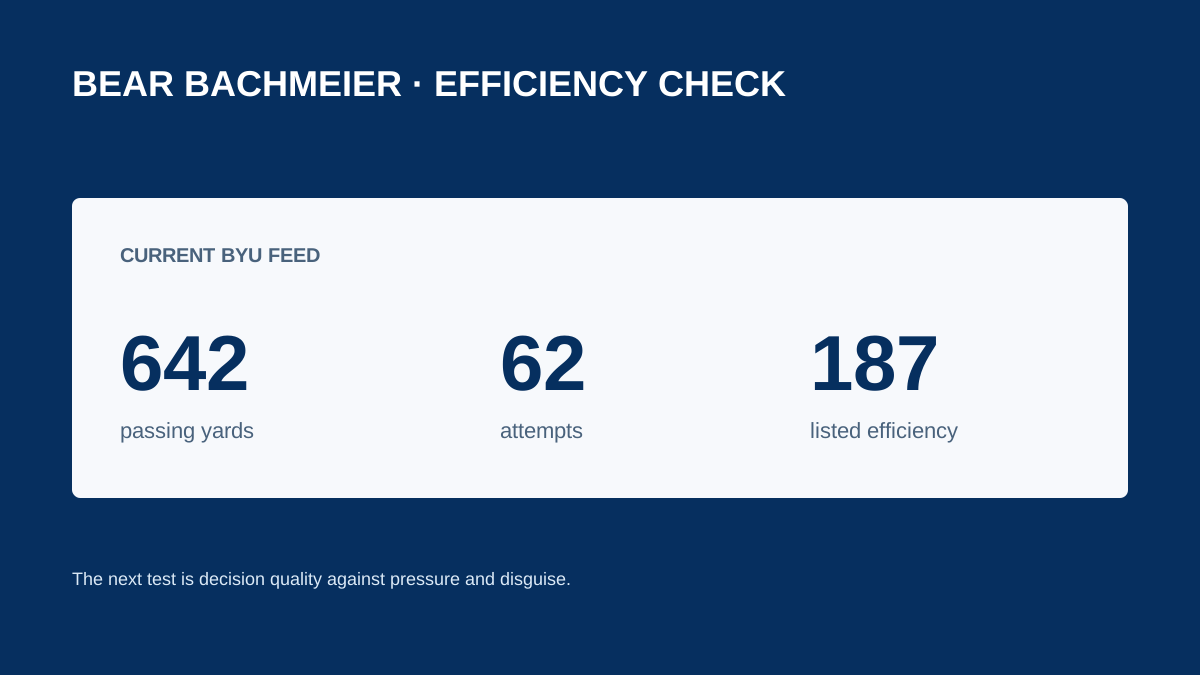
The next layer is decision quality. An efficient quarterback protects the offense from negative plays, takes the profitable throw when it is there and understands when a drive needs a reset. The current stats feed lists 62 attempts for Bachmeier, which is enough to show a role without pretending it is a full-season sample. His next benchmark is not simply adding yards. It is preserving the same rhythm when the opponent takes away the first read and makes the checkdown part of the plan rather than an emergency.
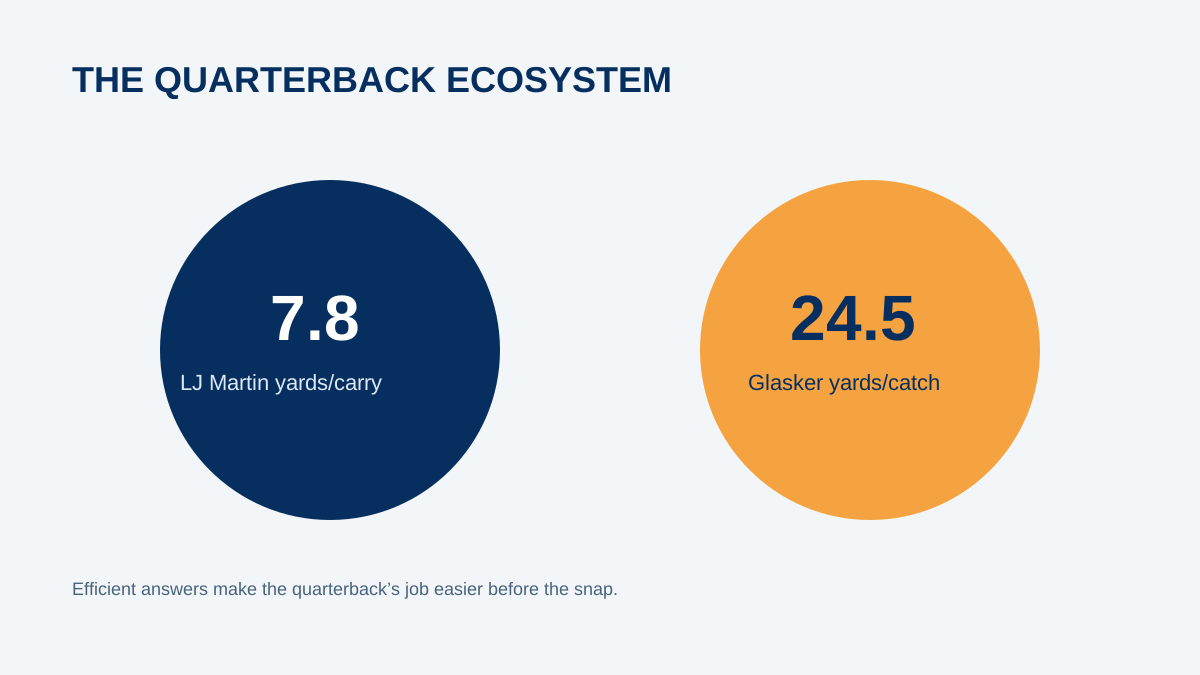
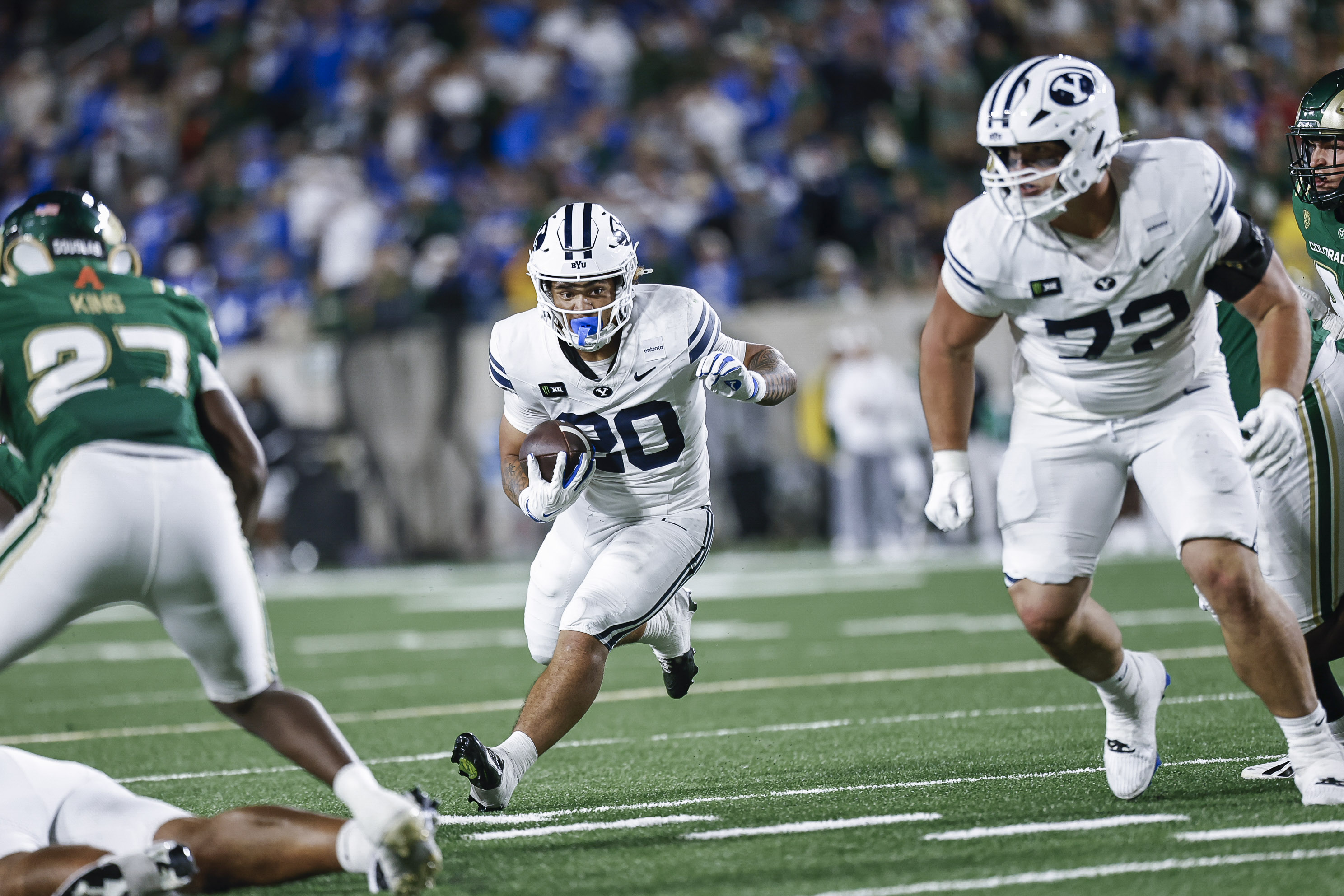
Bachmeier also benefits from a running game that has produced real efficiency. LJ Martin is averaging 7.8 yards per carry, while BYU’s receiving room is led by Legend Glasker’s 270 yards and 24.5-yard average. Those figures create a favorable quarterback ecosystem. Defenses cannot sit on short throws if Glasker can flip the field, and they cannot play two-high shells forever if Martin is gaining efficient early-down yards. Bachmeier’s job is to keep those conflicts alive, not to solve every snap with a hero throw.
The national discussion should stay disciplined. The comparison feed has not yet assigned Bachmeier a verified Big 12 or NCAA rank, so this is an efficiency check rather than a claim that he is already a national leader. That is not a weakness in the story. It is an invitation to follow the process. Once the qualifying field fills, completion rate, yards per attempt, touchdown-to-interception ratio and third-down passing can place his start in proper context.
The TCU stretch will make that context sharper. A quarterback’s efficiency is most valuable when the defense can pressure without blitzing and disguise coverage without losing run support. Watch how quickly Bachmeier identifies the post-snap picture, how often he avoids a negative play and whether BYU can stay ahead of the chains when the first explosive opportunity is not available. Those are the details that turn a strong stat line into evidence of command.
Three games have supplied a promising first chapter. Bachmeier has been productive, the offense has been efficient and the surrounding skill players have given him credible answers. The next chapter will be less about whether the numbers look good and more about how he earns them. If he continues to protect the down, use the middle of the field and make the defense defend every blade of grass, the 642 yards will read as a starting point—not a ceiling.
More BYU football originals
 Which BYU Players Are National Statistical Leaders?Read the original →
 What BYU Fans Should Watch in TCU at UCFRead the original →
 The CFP May Get Bigger. BYU’s Standard Against Notre Dame Shouldn’tRead the original →
Questions about a source, update or correction? Contact the editor. Story updates are reflected in the published timestamp above.