
FEED THE COUGAR ORIGINAL · Football
3 Reasons BYU Has a Top-3 Defense Nationally Entering 2026
BYU returns production, snaps and proven playmakers from a 12-win defense. Those numbers give the Cougars a credible top-three case, with a coordinator change providing the main caution.
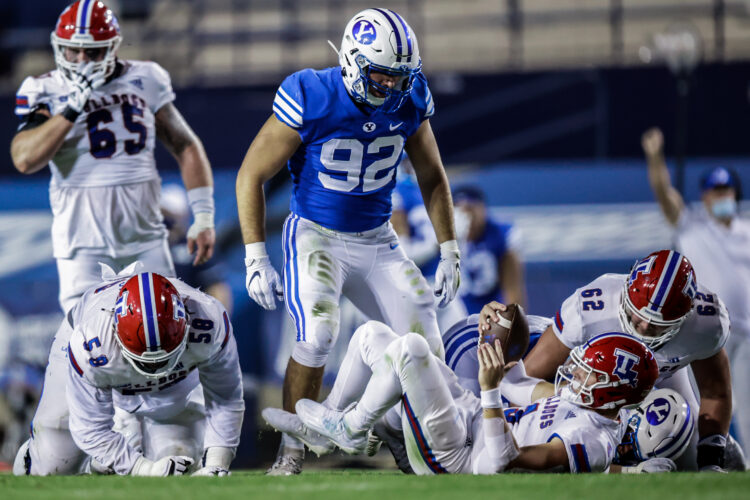
BYU's argument for an elite defense starts with what the Cougars did in 2025 and how much of that unit is back. They allowed 19.1 points per game, intercepted 17 passes, recorded 30 sacks and finished No. 19 nationally in scoring defense during a 12-win season. Now BYU returns 69% of its defensive production, listed as No. 6 nationally, and 65% of its defensive snaps, listed as No. 4.
Those numbers do not guarantee another strong season. BYU is replacing defensive coordinator Jay Hill with Kelly Poppinga, and programs such as Georgia, Notre Dame, Ohio State and Oregon will bring their usual talent. But if the question is which defenses have the best 2026 outlook, BYU belongs near the front of the conversation. Here are the three reasons.
1. Most of the production returns
Starter counts can hide as much as they reveal. A defense may return eight starters but lose its best pass rusher, leading tackler or top defensive back. Returning-production data offers a better view of what was actually retained.
BYU's 69% figure places it ahead of Oregon, Texas, Texas A&M, Indiana, Oklahoma, Miami, Ole Miss and Ohio State in ESPN's comparison. Among BYU and the AP preseason top 10, only Notre Dame and Georgia return more defensive production.
Ohio State provides the sharpest contrast. The Buckeyes allowed 9.3 points per game in 2025, the best mark in the country, but return 50% of their defensive production. Ohio State can replace departures with elite recruits; BYU's advantage is different. Most of the Cougars' returning defenders have already produced against Power Four competition.
That experience comes from the core of a defense that won 12 games. It is a solid basis for projection, even if BYU does not receive the automatic preseason credit given to traditional powers.
2. The experience is spread across the field
BYU's 65% returning-snap figure is not built on a single position group. The breakdown is 76% along the defensive line, 62% at linebacker and 63% in the secondary. The Cougars and Notre Dame are identified in the CBS Sports and TruMedia data as the only two teams returning at least 60% of their defensive snaps at all three levels. That balance matters. A veteran secondary cannot cover indefinitely if a rebuilt front produces no pressure, and an experienced front can be undone by repeated mistakes behind it.
BYU enters the season without an obvious experience gap. The 76% return rate on the line is especially useful in a physical Big 12 schedule, while the continuity behind it gives Poppinga players who have already handled conference speed, road environments and late-game pressure together.
There will still be changes under a new coordinator. The personnel, however, gives Poppinga room to adjust without teaching an entirely new defense how to play major-college football at the same time.
3. The returning snaps belong to proven players
Continuity has value only when the players returning can perform. BYU has several who already have. Safety Faletau Satuala is back after earning All-America honors and leading the Cougars in tackles. Cornerback Evan Johnson led BYU with five interceptions. Isaiah Glasker returns at linebacker, and team captain Keanu Tanuvasa anchors the defensive front.
The Cougars then added Cade Uluave from Cal. He recorded 100 tackles in 2025 and earned first-team All-ACC honors. Former Kansas State linebacker Jake Clifton adds another experienced option.
That is a stronger case than continuity alone. BYU is returning a productive defensive core and adding players who have already handled significant roles elsewhere. It reduces the number of positions where the coaching staff must rely entirely on projection.
The top-three case, with one important qualifier
BYU finished 19th nationally in scoring defense, returns the country's No. 6 defensive-production profile and ranks No. 4 in returning defensive snaps, according to the figures used here. It also returns at least 60% of its snaps at every level while bringing back several all-conference or All-America-caliber players.
That combination supports a top-three preseason case. Notre Dame and Georgia may have stronger arguments, while Ohio State and Oregon have enough talent to erase continuity concerns quickly. BYU's coordinator transition also deserves attention once games begin.
The Cougars do not need their 2026 defense to be declared elite in August. They need the unit to turn experience into stops. On paper, no more than a few teams enter the season with a better mix of returning production, balanced continuity and proven personnel.
Sources: BYU Athletics 2025 season review, ESPN returning-production rankings, CBS Sports and TruMedia returning-snap rankings, BYU 2026 defensive preview, BYU profile for Cade Uluave and Ohio State's 2025 defensive summary.
More BYU football originals
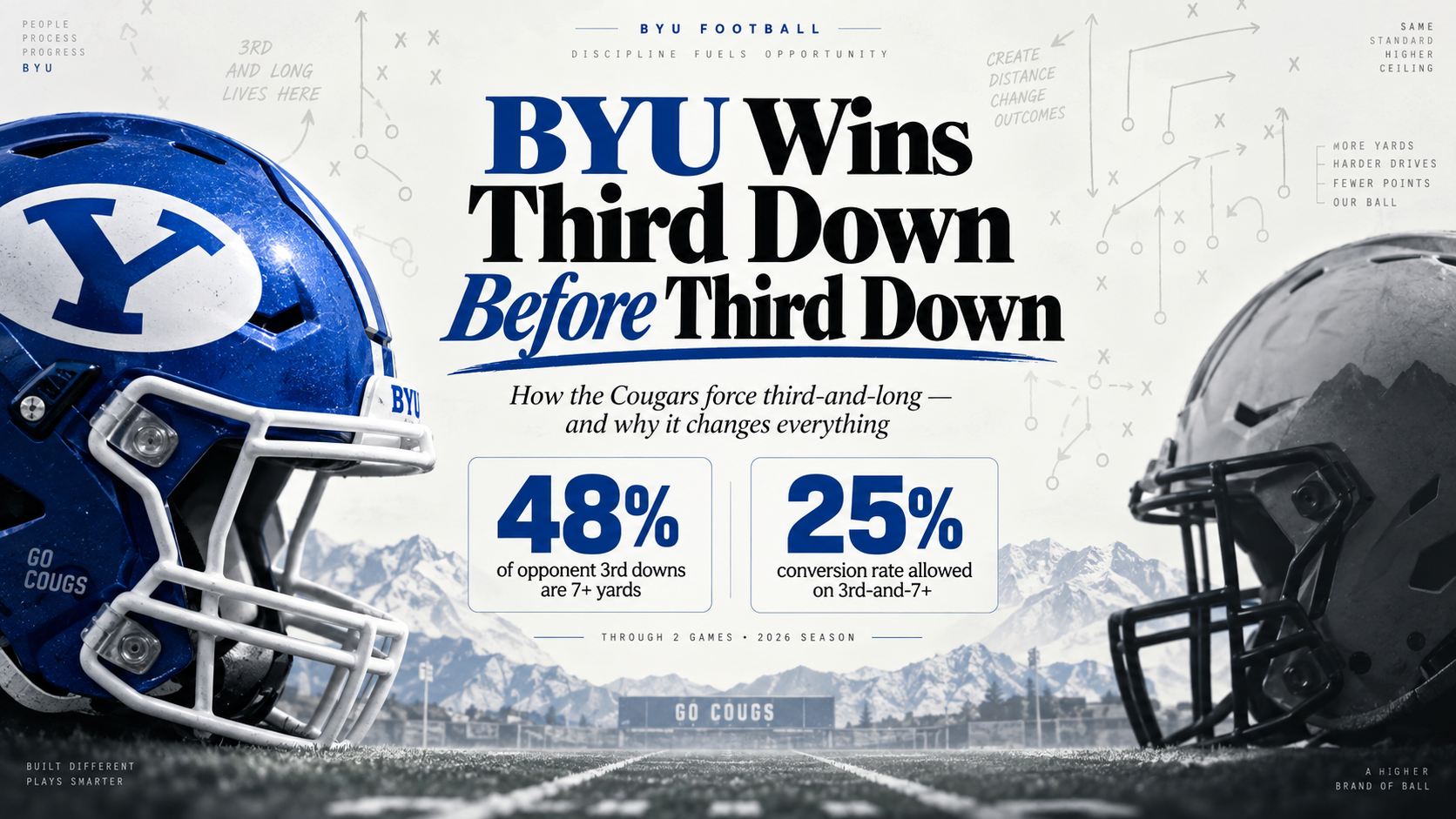 Why 3rd-and-Long Is Fueling BYU’s Defensive SuccessRead the original →
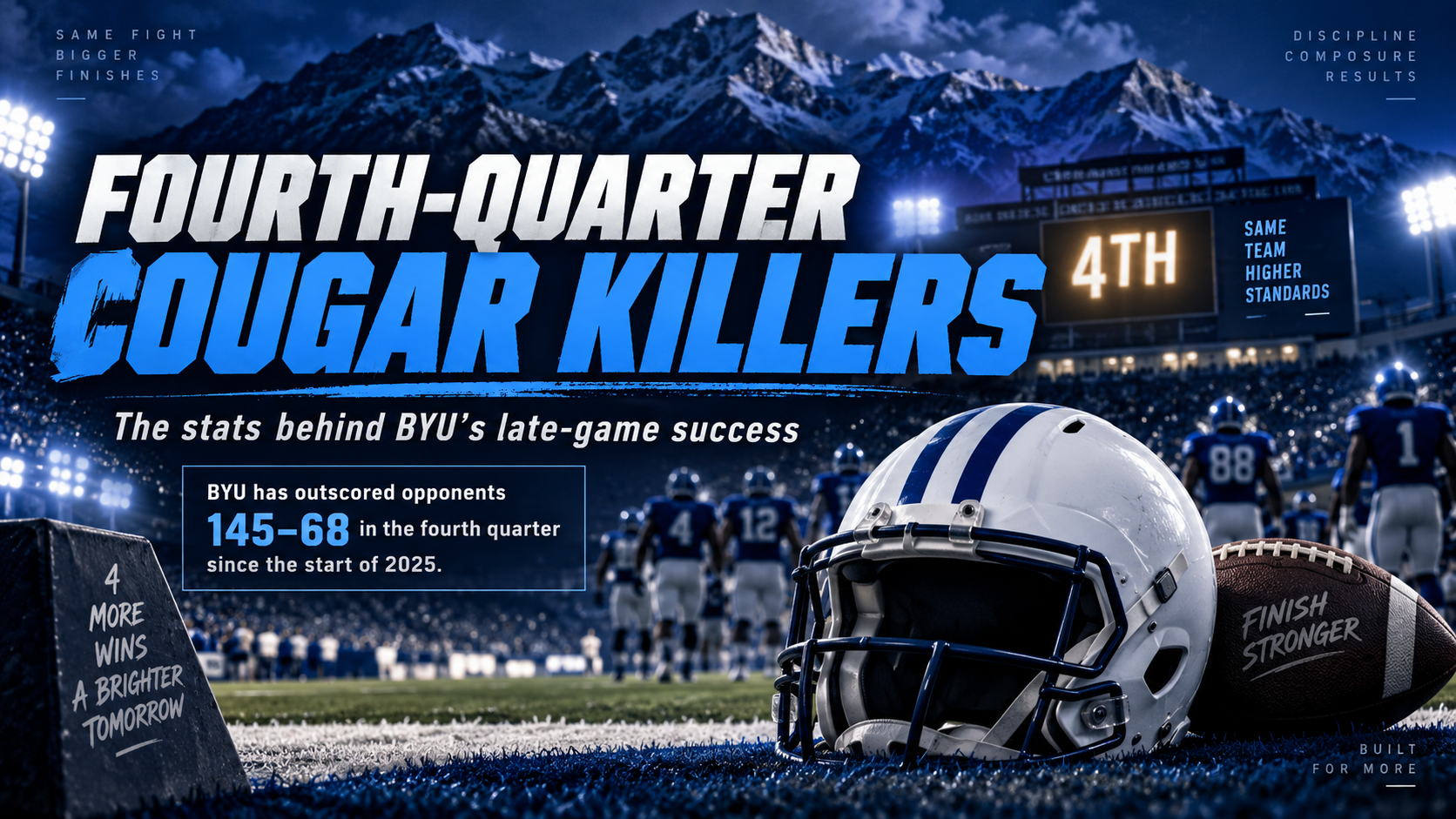 The Fourth-Quarter Cougar Killers: The Stats Behind BYU’s Late-Game SuccessRead the original →
 The CFP May Get Bigger. BYU’s Standard Against Notre Dame Shouldn’tRead the original →
Questions about a source, update or correction? Contact the editor. Story updates are reflected in the published timestamp above.